Attic Insulation
Bringing the attic up to a proper insulation level across the whole floor — including the corners and edges near the eaves that usually get missed.
Conditioned air stays in the rooms you actually use.
From adding insulation and improving airflow to reflecting heat away before it reaches your living space — matched to what your home actually needs.
Some homes need more insulation. Some need better airflow. Some need a reflective layer between the roof and everything below it. These are the options we work with, and the one we recommend depends on what we find in your attic.
Bringing the attic up to a proper insulation level across the whole floor — including the corners and edges near the eaves that usually get missed.
Conditioned air stays in the rooms you actually use.
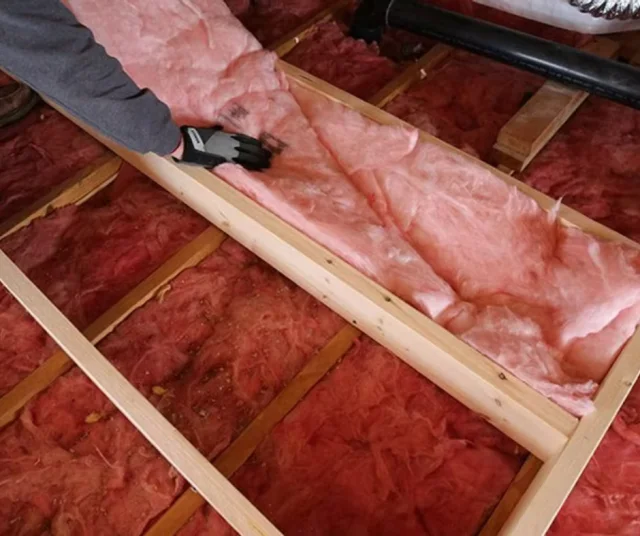
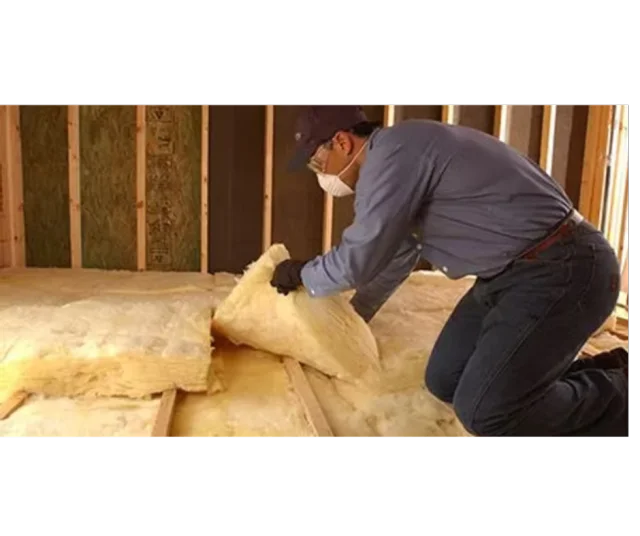
Pre-cut batts fitted between joists and studs and sized to the cavity, so there are no gaps left along the edges.
A dependable, cost-effective way to add R-value.

Dense recycled-fibre insulation that packs into awkward cavities and settles around obstructions that rigid materials bridge straight over.
Fills the gaps other materials leave behind.
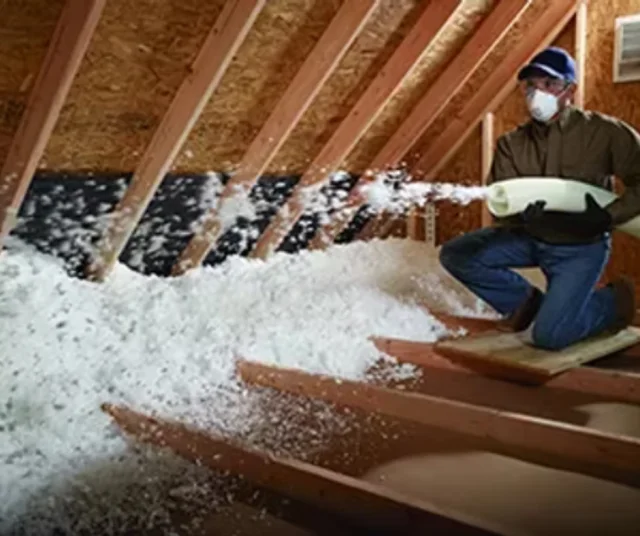
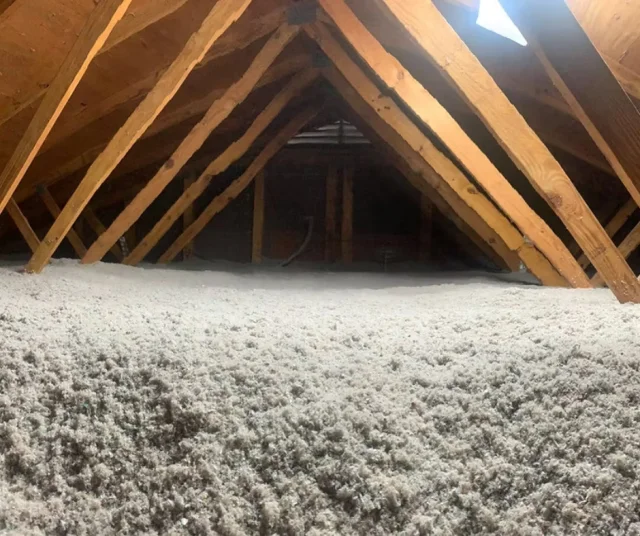
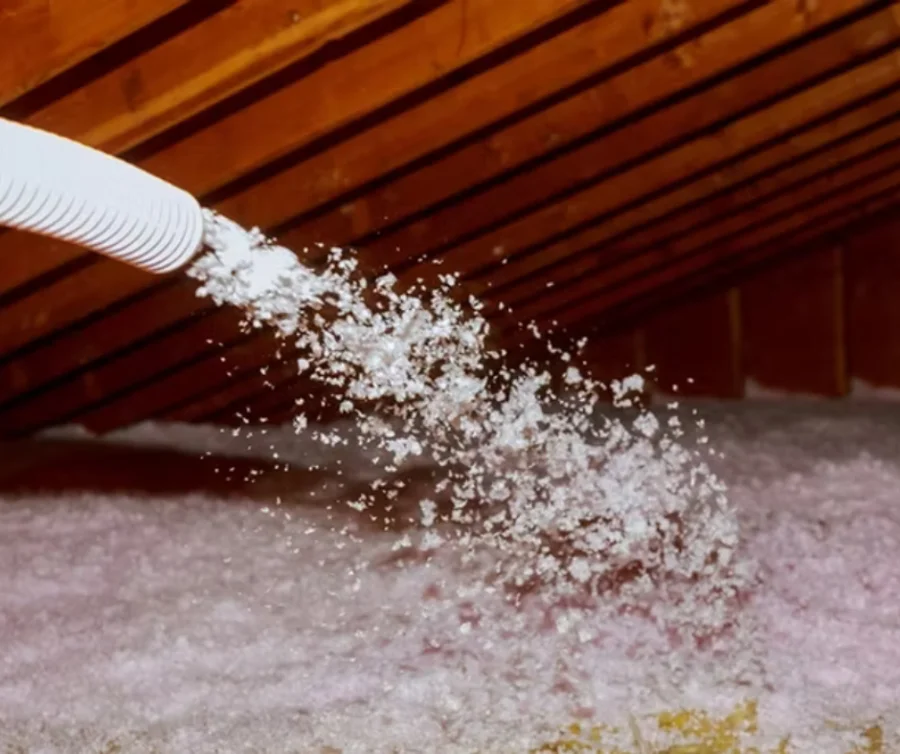
Blown coverage that builds an even blanket across the attic floor and reaches the tight corners a person cannot comfortably get to.
Even depth across the whole attic, not just the middle.
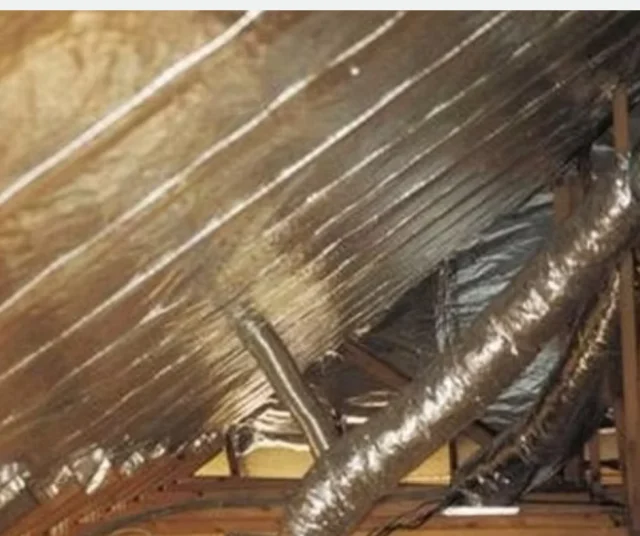
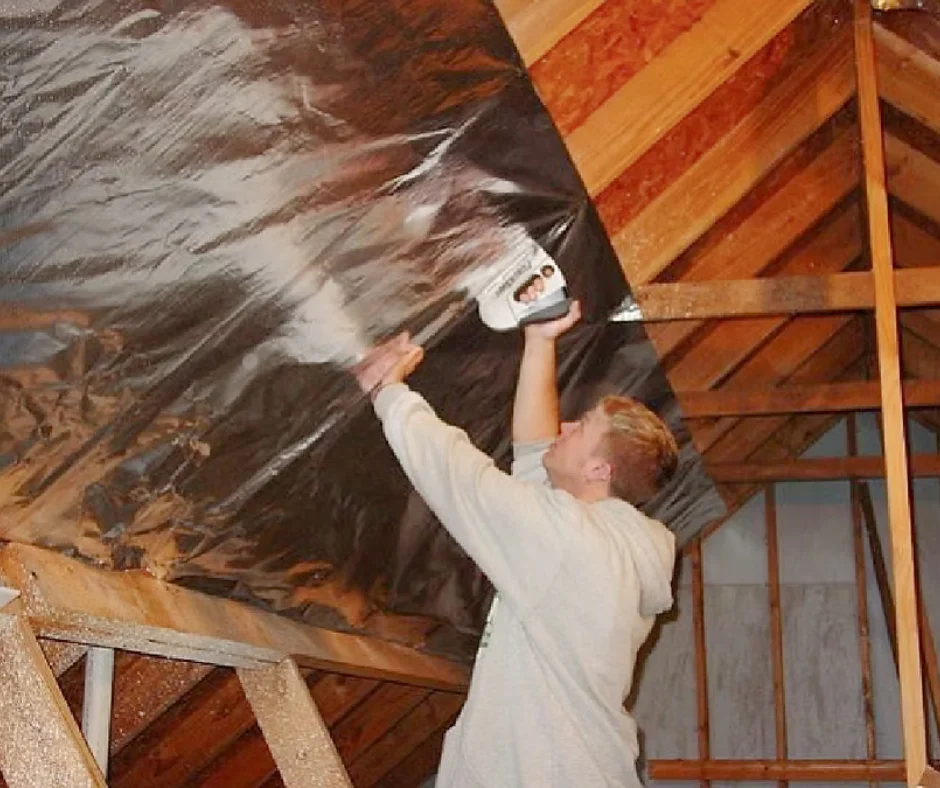
A reflective attic upgrade that turns back radiant heat before it works its way down into the insulation layer below.
Less heat load on everything underneath it.
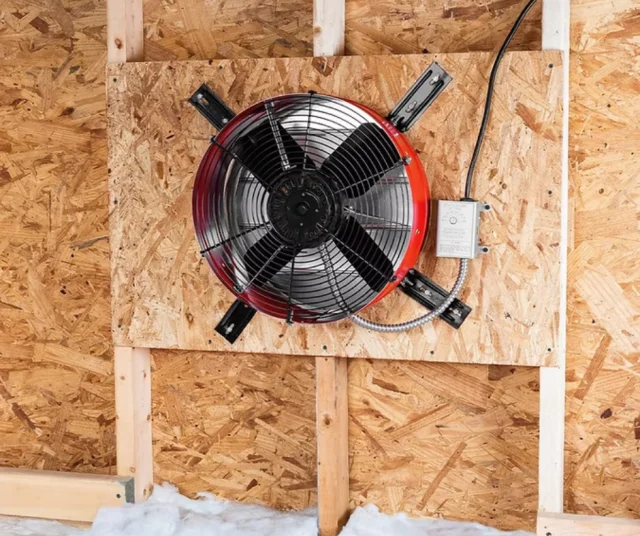
Powered ventilation that pulls trapped heat and humid air out of the attic through the summer months.
Takes load off the cooling system on the hottest days.
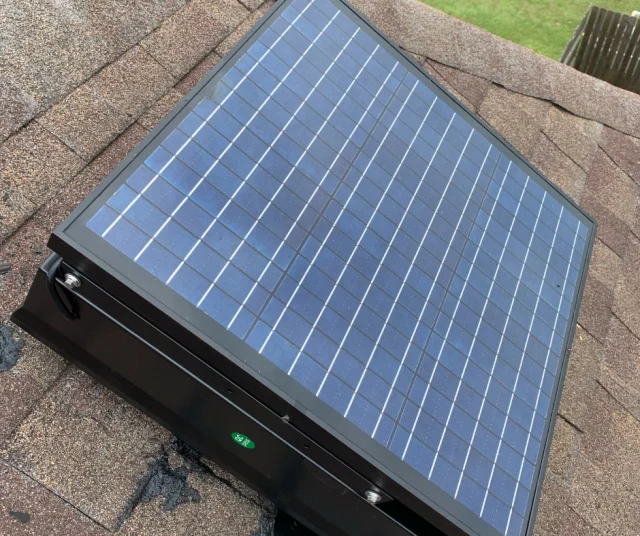
The same ventilation benefit, run from a roof-mounted solar panel rather than from household power.
Ventilation with nothing added to your power bill.
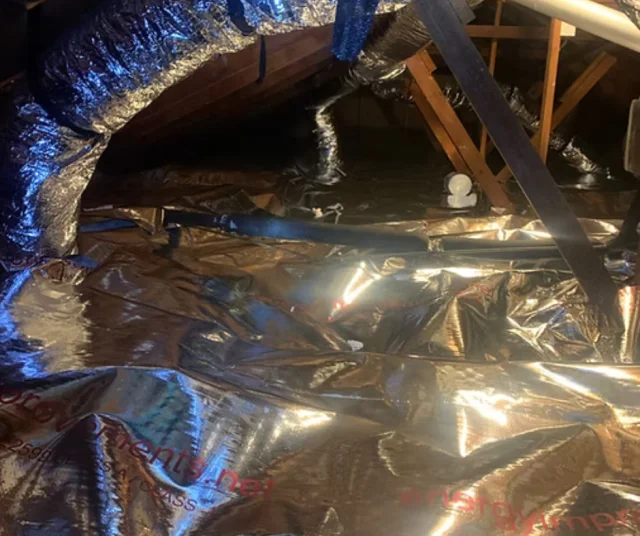
A reflective layer installed under the roof deck to stop radiant heat transferring into the attic space in the first place.
Keeps roof heat from radiating down into the house.
A walkthrough of what your attic is doing today, with a plain explanation of which options genuinely apply to your home.
A clear picture before you spend anything.
Not sure which one applies to your home? That is normal — most homeowners are not expected to know. Tell us what you are noticing and we will narrow it down with you.
Get In Touch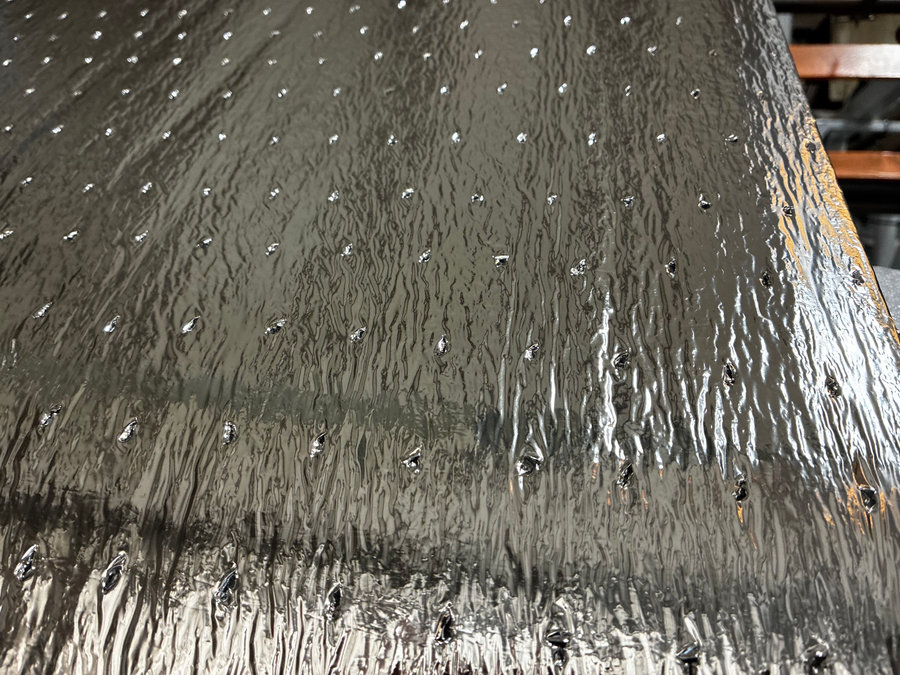

Every other service on this page works by slowing heat down as it passes through. UltraShield ReflecTech is the one that works by turning it back — a multi-layer reflective system fitted to stop radiant heat at the roof line, before it reaches the space below.
Alternating aluminium and Mylar layers around a closed-cell foam core — a reflective face on both sides with an insulating centre.
Whether UltraShield ReflecTech suits your home depends on your roof, your attic and what is already up there. We will tell you either way.
The attic is the layer between your rooms and a roof that bakes all afternoon. When it is doing its job you stop noticing it — and that is the point.
Fewer hot rooms upstairs and fewer cold floors in winter, because the attic stops acting as a doorway for heat.
An attic that holds its temperature means the heating and cooling system runs less to reach the same result.
Less swing between one end of the house and the other, and less swing between morning and afternoon.
Insulation and ventilation working together, so heat and moisture are not simply trapped up there.
The right material depends on the house. We look first, then recommend — rather than fitting everyone the same package.
Share the basics — the age of the house, which rooms never feel right, and what you have noticed on your bills. It takes a few minutes.
We look at the attic, explain what is happening up there, and go through the options that genuinely apply, with the trade-offs and the cost of each.
Choose the option that fits your home and your budget, and we book the work at a time that suits you.
Tell us what you are noticing at home and we will help you work out which option makes sense.